Resilient Schools In Action: Supporting Students, Families, and Educators Across WNC

Resilient Schools In Action: Supporting Students, Families, and Educators Across WNC

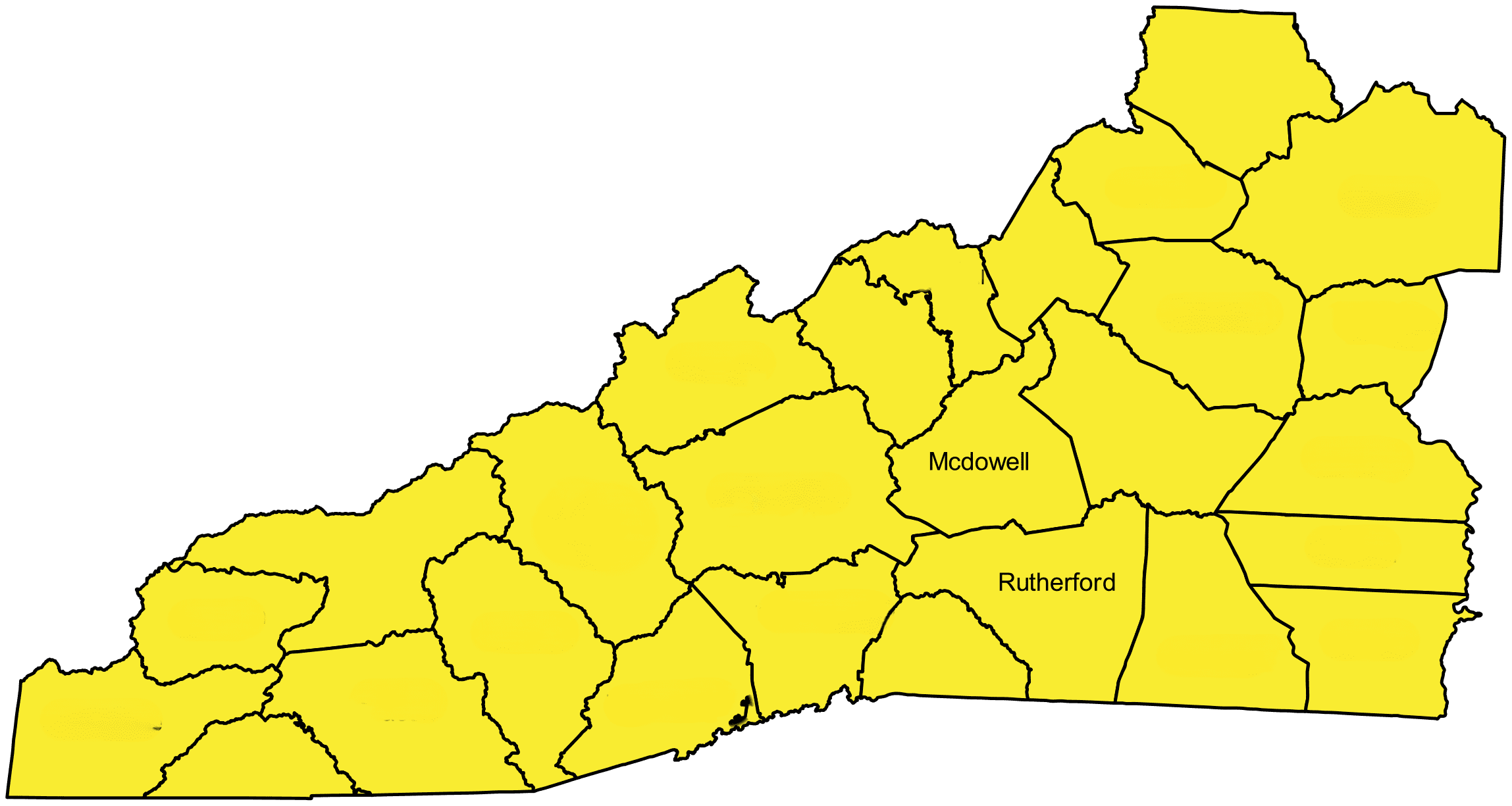
Since 2017, Resources for Resilience has partnered with more than 60 schools across North Carolina. Through Resilient Schools in Action, we are expanding our reach to school districts throughout the 25 counties impacted by Hurricane Helene. Funding provided by Americares makes it possible to support the wellbeing of students, staff, and families at no cost to participating schools.


Today’s schools face growing challenges as educators, students, administrators, and families navigate stress, mental health concerns, and the demands of teaching and learning. Supporting school wellbeing requires more than a one-time training. It requires a sustainable approach that strengthens skills, relationships, and support systems over time.

Resilient Schools in Action (RSA) was designed to meet that need. Developed by Resources For Resilience, the program helps students, staff, and families build resilience through professional development, coaching, peer leadership, and a comprehensive toolkit aligned with existing social and emotional learning initiatives.

In partnership with Americares, Resources For Resilience is bringing this opportunity to Helene-impacted schools across Western North Carolina, equipping communities with tools and resources that support long-term wellbeing and recovery.

Local School Partnerships

In spring 2026, elementary schools across WNC were invited to apply for the inaugural RSA cohort. Interest far exceeded available spots!

We are excited to partner with the following schools for the 2026-2027 school year and beyond:

  • West Marion Elementary (McDowell County)
  • Mulberry Elementary (Wilkes County)
  • Scotts Creek Elementary (Jackson County)
  • Wilkesboro Elementary (Wilkes County)

“We just wanted you to know that we really appreciated your time, knowledge, and presence last week during our (Reconnect for Resilience) training. It definitely helped us get started on the right foot this year. Our staff members are already sharing their resources. Thank you again!”

Mulberry Elementary Educator

A Schoolwide Strategy

Resilient Schools in Action is built on the belief that resilience grows through strong relationships and supportive environments.

The program promotes stronger connections among staff, students, administrators, and caregivers and others in the school community.

By strengthening these relationships, schools foster a culture of belonging, wellbeing, and resilience. Together, these groups create a sustainable network of support that extends beyond individual trainings.

Building Capacity From the Inside Out

At the heart of RSA is a capacity-building model that develops resilience leaders within each school. By the end of the program, schools have a team of trained internal champions who can sustain resilience practices, support staff wellbeing, and strengthen school culture for years to come.

Participating schools receive:

  • In-depth training for 4-5 staff members to become certified Resiliency Ambassadors, equipping them to integrate practical, science-based resiliency tools throughout the school community.
  • Monthly coaching and technical assistance to build internal capacity, support implementation, and strengthen long-term mental health and wellbeing initiatives. Support includes stipends for participating staff, CEU credits and more.
  • A comprehensive implementation toolkit that helps schools embed resilience into everyday practice through:
    • Quarterly focus areas, themes with small, actionable activities
    • Staff microlearning sessions facilitated by Resiliency Ambassadors
    • Monthly cohort meetings for collaboration, peer learning, and ongoing support
    • Classroom and schoolwide resilience materials
    • Six mini-decks for staff and leadership engagement
    • Four messaging guides to support communication and implementation
    • Three family newsletters that extend resilience learning beyond the classroom

    The RSA Pathway

    The two-year program pathway includes four key stages:

    Step 1: Reconnect for Resilience™ Training

    Interested participants complete a 14-hour foundational training delivered over two days or through modular sessions.

    Step 2: Resiliency Champions Certification

    Five to six Resiliency Champions serve as enthusiastic adopters and advocates for the work. This seven-hour workshop helps participants deepen their understanding of resilience and prepare for implementation.

    Step 3: Resiliency Ambassadors Certification

    Up to five Resiliency Ambassadors  receive in-depth training to help integrate practical, science-based resiliency tools throughout the school community. This 14-hour advanced workshop is designed to prepare individuals for long-term leadership within their schools.

    Step 4: Full Implementation

    This training progression equips participants with the knowledge, experience, and support needed to create lasting change. Successful Resiliency Ambassadors

    • Work directly within the participating school
    • Demonstrate commitment to resilience-building efforts
    • Influence colleagues and facilitate presentations
    • Implement RSA strategies and support schoolwide adoption

    Students thrive in their learning and relationships when there is a sense of belonging and support

    Healthy, happy, thriving students don’t happen by accident. They happen when educators and families work together to foster connection and support. Building resilient communities is about creating spaces where everyone feels seen, heard, valued, empowered, and equipped to succeed.

    A Vision for Lasting Change

    Resilient Schools in Action empowers schools to embed resilience into daily practice through leadership development, coaching, practical tools, and relationship-centered strategies.

    By investing in educators, students, administrators, and families, RSA helps schools create environments where wellbeing, connection, and resilience can thrive for years to come.


    Stay Tuned for More!

    We look forward to sharing more information as this program progresses. Please stay tuned for updates by following our social media channels or subscribing to our newsletter!

    Look for the Glimmers: Micro-moments of Safety & Regulation

    Look for the Glimmers: Micro-moments of Safety & Regulation

    Life moves so quickly and can feel overwhelming. It can be easy to miss the tiny moments in life that help us feel human.

    Even in the middle of stress and uncertainty, our nervous system is still capable of finding moments of safety and ease. By noticing and savoring these small moments around us, we strengthen our capacity for resilience.

    Think of glimmers as the opposite of triggers: small moments that communicate safety, calm, and connection.

    What Exactly Is a Glimmer?

    A glimmer is a micro‑moment or “spark” of joy, ease, or connection that gently shifts your nervous system toward well‑being. The concept was originally introduced by Licensed Clinical Social Worker, Deb Dana – the leading expert in polyvagal theory.

    Examples of Everyday Glimmers

    • Sunlight through a window
    • Your favorite song
    • A pet curling up beside you
    • Freshly washed laundry
    • Wind rustling through the leaves
    • Birds in your yard
    • A handwritten note
    • A cozy blanket
    • Playing a musical instrument
    • A beautiful painting
    • The smell of rain, fresh flowers, or baked goods
    • A feather on the ground
    • A handmade quilt
    • Steam coming off a warm mug
    • A smile from a stranger
    • Deep belly laughter
    • The sky — clouds, stars, moonlight, sunrise, sunset

    The list goes on!

    Glimmers are deeply personal. What soothes one person may not soothe another, and that’s part of their beauty. They’re simply cues — internal or external — that remind your body, “You’re safe right now.”

    The best part? Glimmers are completely free and available to anyone, anywhere. They simply ask you to notice what’s already around you, and anchor into that.

    “Glimmers are a reminder that ventral energy is always there waiting to be noticed and nourish your nervous system.”

    Deb Dana 

    Why Glimmers Matter 

    Glimmers don’t erase stress or pain. They don’t ask you to “look on the bright side” or ignore your struggles. Instead, they highlight something remarkable about human biology: we can hold both difficulty and regulation at the same time.

    Because our brains are wired to scan for danger first, glimmers often slip by unnoticed. But when we learn to look for them, something shifts. 

    You might feel:

    • a softening in your shoulders
    • a deeper breath
    • a tiny smile
    • a warmth in your cheeks
    • a thought that feels just a bit lighter

    These micro‑shifts matter. Over time, they help build resilience from the inside out. And when those moments accumulate, they help build the foundation for resilience: the ability to stay steady, grounded, connected, hopeful and flexible even in challenging times.

    “The little things? The little moments? They aren’t little.”

    Dr. Jon Kabat-Zinn

     “Wonder interrupts that impulse to rush to the future before it arrives. It makes the world stop serving our self-centered plans or intentions, and instead offer something worth encountering for its own sake.”

    Ian Bogost

    The Science of Awe

    Research shows that the emotion of awe and wonder has a powerful effect on the body because it triggers a biological shift out of threat-scanning survival/fight/flight mode, and toward calm, connection, and openness.

    We often experience anxiety or grief when our problems feel bigger than we can comprehend or manage.

    Awe is what happens when we encounter something so vast and expansivev that it interrupts negative thought loops from the ego, and forces the brain to expand its perspective. 

    During these moments, the brain widens its attentional field, interrupts hypervigilance, worry, or stress loops from the amygdalam and gives the nervous system a new field of perception to focus on.

    Reminder: Next time you have big emotions, go somewhere you feel small. When life feels like too much, look up to the sky, or out to the horizon. You don’t have to solve the problem today. You just have to find a bigger container to hold it.

    Places of vastness (the beach, a mountaintop, a night sky) signal safety to the body and

    • Quiet the Noise: Reducing the internal chatter of the Ego and its problems.

    • Stimulate the Vagus Nerve: Activating the parasympthatic nervous system, lowering your heart rate, reducing cortisol, releasing dopamine and oxytocin

    • Make Room for Perspective: Forcing your brain to realise that while your feelings are valid, they aren’t the entire universe and they are not you.

    Sources:

    “Awe is the feeling of being in the presence of something vast that transcends your understanding of the world.”

    Dr. Dacher Keltner

    How to Practice Noticing Glimmers

    1. Pause: As you move through your day, slow down and be on the lookout for tiny moments that are otherwise easy to miss.
    2. Tune In: When you notice a glimmer, what happens in your body? What emotions or thoughts arise?
    3. Appreciate: Hold the moment longer. Acknowledge the glimmer by placing a hand on your heart or whisper a simple phrase like “All is well”
    4. Document: Keep track of your glimmers. A photo, a vidoe, a journal, a note on your phone can help you see how often they appear.
    5. Share: Sharing glimmers with someone else brings them alive again. Share them on social media, tell a loved one about them, or create a weekly glimmer ritual with someone you trust.
    Glimmers can be life-giving, especially for highly-senstive or deep-feeling people who are easily impacted by stress. The key is slowing down long enough to notice and savor the goodness of what’s unfolding around you.
    A “Glow” is a glimmer that lives on long after it’s noticed. Remembering and savoring the memory of our glimmers helps deepen the regulating effect even further.


    Ready to Strengthen Your Resilience?

    At Resources For Resilience, we teach practical, science‑based tools — like glimmers — that help people regulate their nervous systems, reduce stress, and build stronger connections with themselves and their communities.

    If you want to learn more about glimmers, co‑regulation, and other regulation skills, explore our workshops, trainings, and community programs.

    If you’re ready to deepen your own resilience or help strengthen it in others:

    Together we’re building resilience, one small moment at a time.

    “Awe exists anywhere you’re willing to look. And that is the key: You must look. Walk down the street and notice the effort it took to create the skyscraper in front of you, the airplane flying overhead. Watch the emotion on people’s faces as they pass you by, observe the joy or despair they might be experiencing, the depths of their interiority. This jolts us outside of our day-to-day perspective, permitting us to process new information, to adjust our mind-set, to see so much anew.”

    Cody Delistraty


    Local Leader Spotlight: Cultivating Resilience With Ann DuPre Rogers, LCSW

    Local Leader Spotlight: Cultivating Resilience With Ann DuPre Rogers, LCSW

    Western North Carolina is home to countless leaders who strengthen the wellbeing of our communities, especially in the wake of Hurricane Helene. Among them is Licensed Clinical Social Worker Ann DuPre Rogers, whose career sits at the intersection of mental health advocacy, community education, and trauma‑informed care.

    As the Executive Director of Resources For Resilience, Rogers is not your typical nonprofit leader. Her staff describe her as supportive, loving, and grounded — and also someone who doesn’t take herself too seriously, as evidenced by the growing collection of photos of her in playful costumes.

    “Ann DuPre is so fun and easy to be around that it’s easy to forget what a big deal she is! She’s unfailingly kind and generous but has the steely determination required to actually get things done. This organization reflects her beautiful values and commitment,” one team member shares.

    A Lifelong Commitment to Community Wellbeing

    For nearly three decades, Rogers has served Western North Carolina in roles spanning school social work, child and family therapy, clinical supervision, program administration, provider relations, and community outreach. Each chapter deepened her understanding of the challenges families face and the systems meant to support them.

    Her path began long before she stepped into leadership. After earning a bachelor’s degree in psychology from Davidson College and a master’s in social work from the University of Georgia, she spent years in community mental health beginning in the mid‑1990s. Those early experiences, she says, revealed how profoundly people can grow when they feel safe, supported, and connected.

    Rogers’ impact extends far beyond administrative leadership. As a former yoga instructor, outdoor education facilitator, and Mental Health First Aid trainer, she brings a unique mind–body lens to her work. For years, she has taught the science of stress, trauma, and resilience to audiences across WNC — helping providers, educators, first responders, and community leaders navigate stress and restore balance.

    Her approach ensures that more people across the region can access high‑quality behavioral health support grounded in both research and compassion.

    A Collective of Women Leading Change in WNC

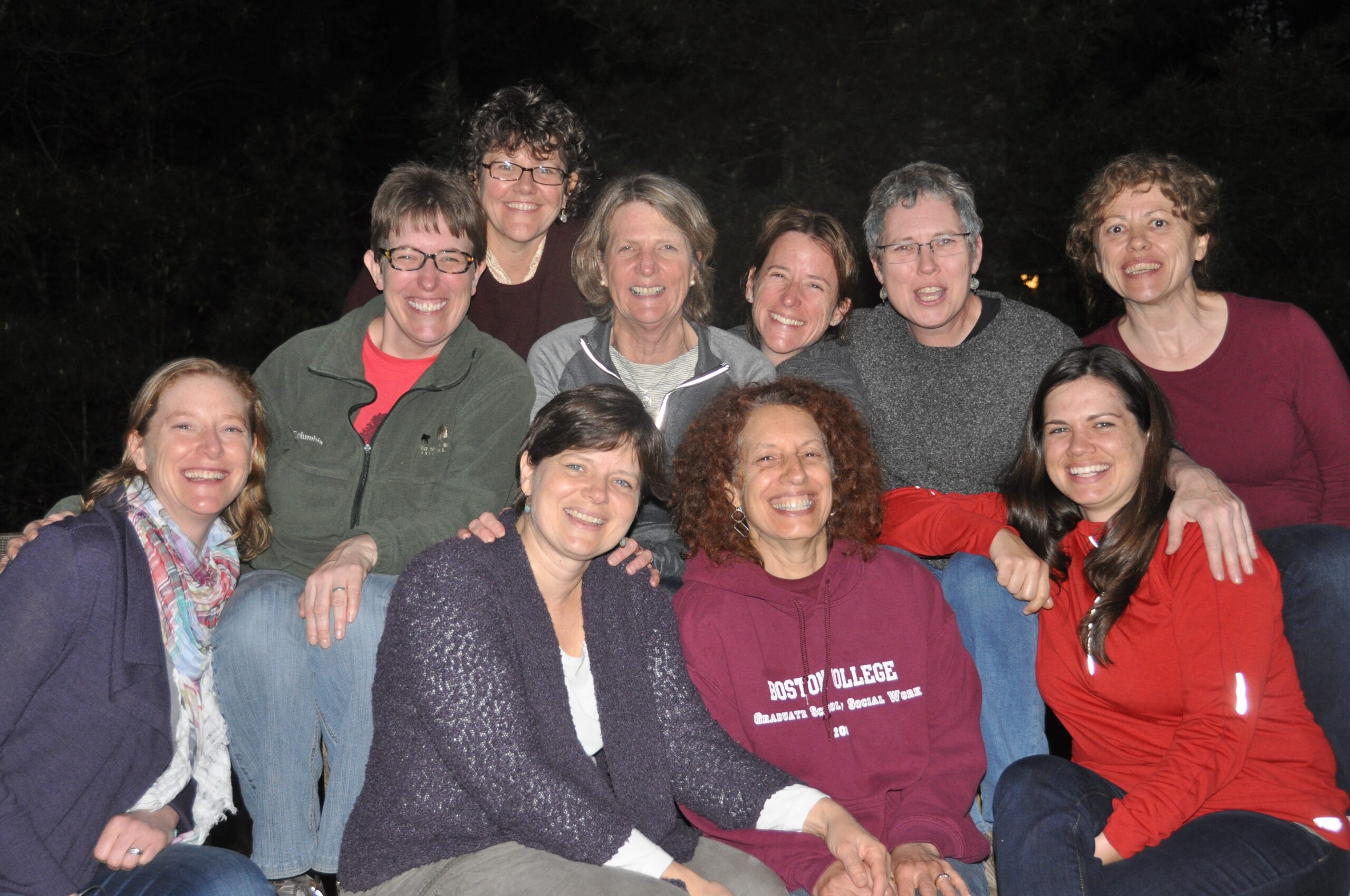
    In 2017, Rogers joined a collective of women working in public health:

    • Mary Lynn Barrett, LCSW
    • Susanne Walker Wilson, LCSW
    • Stephanie Citron, PhD
    • Ginger Clough, MPH
    • Katie Roberts, LCSW
    • Rev. Beth Turner, CPE

    Inspired by leaders such as Elaine Miller‑Karas, Deb Dana, Babette Rothschild, Brené Brown, Judith Herman, and Pat Ogden, they united around a shared mission: help people not just survive adversity, but thrive through it.

    They understood the research on adverse childhood experiences and somatic experiencing — how trauma lives in the body — and saw the need for accessible tools that could support healing across generations.

    The Evolution of RFR, from Global Humanitarian Work to Local Resilience Building

    The group initially focused on global humanitarian efforts, supporting communities affected by natural disasters, genocide, and crisis. But they soon recognized that these same tools were urgently needed at home, especially among people facing intergenerational trauma and systemic oppression.

    Inspired by the Trauma Resource Institute’s Community Resiliency Model (CRM), they began developing their own core curriculum. Over time, their single community presentation, ‘Reconnect for Resilience’™, evolved into a registered 501(c)(3) nonprofit offering practical, research‑based tools across North Carolina.

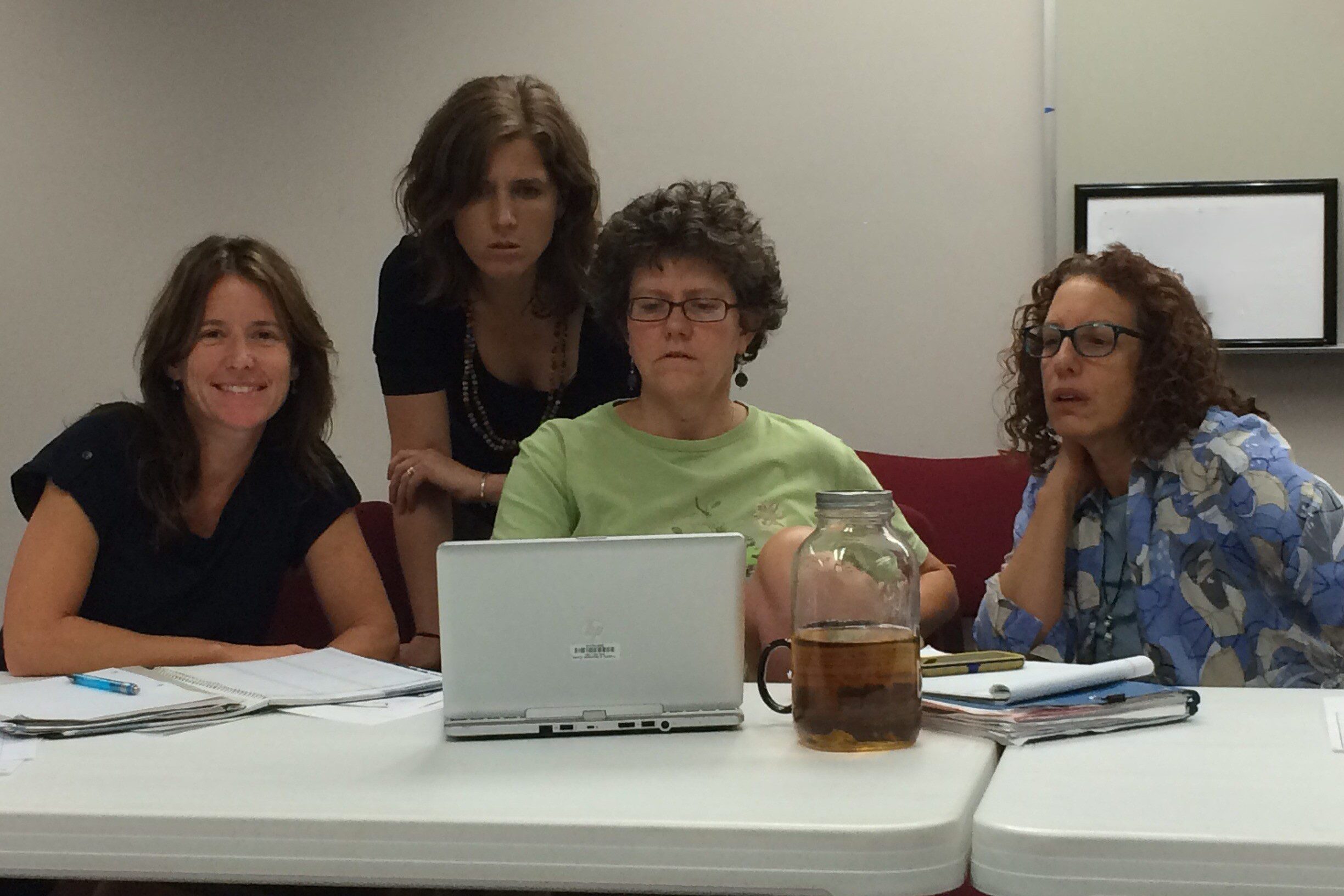
    In the early days, Resources For Resilience operated with only a few part‑time staff and a dedicated board working to meet the growing demand for public health education.

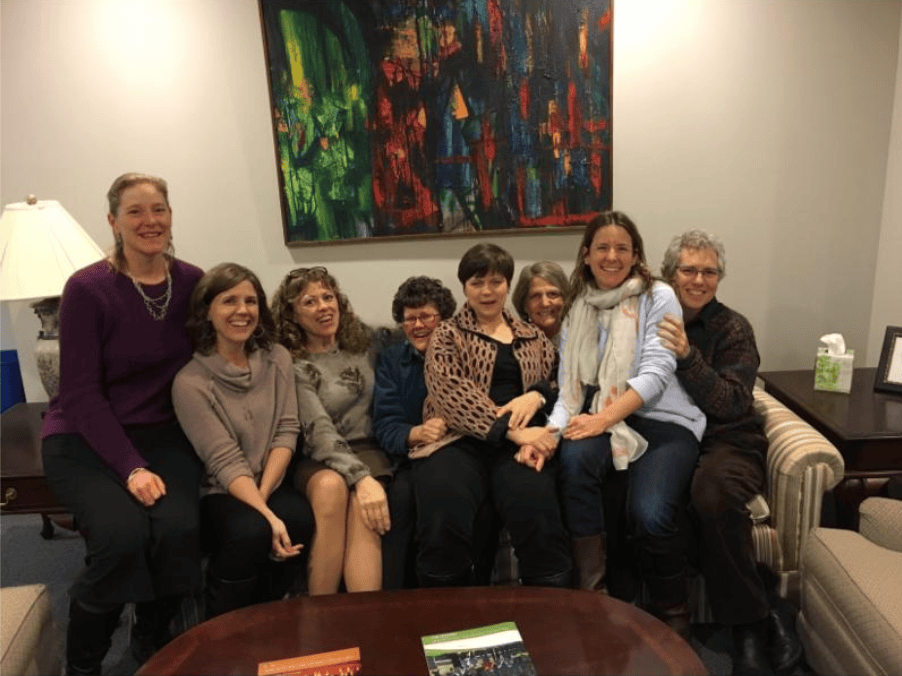
    Today, the organization’s all‑female team has tripled in size and is led by one of its original founders — the remarkable Ann DuPre Rogers. RFR now offers more than ten different trainings, workshops, and sessions, each tailored to specific audiences and needs.

    The organization delivers hundreds of events each year, prioritizing underserved communities, first responders, and groups most impacted by stress and trauma. RFR’s tools are used in schools, government agencies, healthcare settings, and even internationally.

    Supporting WNC Through Hurricane Helene

    In 2024 and 2025, RFR played a pivotal role in the region’s recovery from Hurricane Helene, providing hundreds of hours of acute crisis response and trauma‑informed programming for communities impacted by extreme weather.

    Rogers notes that the effects of Helene are still deeply felt:

    “For many in Western North Carolina, new storms and emergency weather alerts still stir anxiety or fear, even 18 months later. That’s because our nervous system remembers.”

    She emphasizes that recovery has no universal timeline. “Every individual and family has unique circumstances that determine how long it takes them to feel settled again. Simple practices like grounding, gentle movement, recalling moments of safety, connecting with others, and reaching out for support can help the body and brain find balance again.”

    In June 2026, Resources for Resilience wrapped up a major multi-million dollar project partnership with The NC Department of Health & Human Services, Vaya Health, and the Governor’s Recovery Office of Western North Carolina. This powerful regional collaboration has allowed RFR to serve thousands of WNC residents with free, trauma‑informed programming to help build inner steadiness while strengthening community connection.

    Building a More Resilient Western North Carolina

    What keeps Rogers inspired is simple: witnessing transformation. She describes nervous system regulation skills as “immediately, powerfully, and universally helpful,” and she uses them herself every day. Whether guiding a roomful of professionals or supporting an individual, she sees firsthand how useful the tools can be.

    In a region facing both longstanding and emerging challenges — from rural healthcare access to the lingering impacts of Helene — Rogers’ work offers something essential: practical tools, shared with compassion, that help people feel more capable, more connected, and more whole.

    “#WNCStrong is not just a catchy phrase,” she says. “It really is the foundation of who we are.”

    Feet Firmly Planted: A Conversation with Ashley Putnam 

    Feet Firmly Planted: A Conversation with Ashley Putnam 

    Conversations in Resilience is a storytelling series from Resources for Resilience, created to elevate the voices of the people doing this work every day.

    I’m Ashley Putnam and as the Director of Partnerships and Programs at Resources for Resilience, I focus on building relationships and making sure the people we work with have a meaningful experience in our trainings.   

    I live in Weaverville, North Carolina, in Buncombe County. I grew up here. My dad graduated from North Buncombe. I graduated from North Buncombe. My oldest son graduated from North Buncombe. 

    Western North Carolina isn’t one thing. Buncombe County stretches from Asheville into smaller, more rural communities. There’s agriculture. There’s farming. There are mountains and hollers and rivers. Many of us are natives. We’re tied to this place in a way that runs deep. 

    We take care of our people. And by that, I mean the people of these mountains. It’s how we live. In community.  

    Rethinking Resilience 

    Being from here shapes how I understand resilience. 

    It’s about staying close to people. Listening. Paying attention to what’s happening in a room. Noticing what’s happening in a body. That’s what this work teaches. 

    Resources for Resilience helps people understand their nervous systems — how stress shows up physically, emotionally, relationally — and what simple tools can help them regulate. That it’s practical and usable right now. 

    Sometimes that’s in a training room. Sometimes it’s in a school or a fire department. Sometimes it’s just a conversation where someone realizes, “Oh! That’s why I reacted the way I did!” 

    When people understand their nervous system, they gain choice. They can respond instead versus react. They can stay connected instead of shutting down. That’s everyday resilience. 

    There’s a moment I think about often. 

    Immediately following Hurricane Helene, I was standing next to a woman at a donation center, helping where I could. It felt really good to stand there with my feet on the ground. 

    I couldn’t fix the reality of what was happening. I didn’t have equipment. I wasn’t clearing debris. But I could stay present. I could stand with people in line with people and ground and talk. 

    It was loud and emotional. And a woman next to me was overwhelmed and crying. So I asked her what was helping her through right then. We talked about small highlights in the day. I could see her breathing shift. Her shoulders soften. Nothing dramatic happened. The situation didn’t disappear. But her nervous system settled enough for her to move into the next moment. 

    That’s the work. 

    I remember one woman who was panicking because she couldn’t reach someone she needed to reach. When I asked what was helping her through, she said her faith. She said she kept humming Amazing Grace. So I asked if I could sing it with her. We stood outside that donation center and sang. We used Rapid Resets. We tapped. You could see some real de-escalation. That is nervous system awareness in practice.  

    It doesn’t fix the storm. It helps someone settle enough to stay present inside it. 

    Rooted, Yet Expansive 

    Being from here shapes how I show up in this work. For a long time, I felt that subtle pressure to soften parts of who I am — my accent, my stories, the way this region is sometimes misunderstood. After Helene, I felt something different. Pride. Clarity. 

    It made me even more committed to bringing this work into areas we haven’t reached before. In classrooms. In community spaces. In disaster response. In everyday conversations. Resilience isn’t just for the moment things fall apart. It’s for how we live together every day. 

    If I could wish anything, it would be that anyone with a nervous system would step into one of our offerings and experience it for themselves. When people understand how our bodies respond to stress, it changes how they show up for themselves and for others. 

    And here in western North Carolina, we know something simple and steady: 

    We have each other. 


    Editorial Stewardship
    Sarah Staley is a senior communications leader who partners with mission-driven organizations to turn complexity into clarity and amplify the voices at the heart of the work. 

    10 Actionable Ways To Be A ‘Resiliency Steward’

    10 Actionable Ways To Be A ‘Resiliency Steward’

    Thank you for being here!  Thank you for being a valuable member of our network, a trusted guardian of this work, and a key enabler to the longevity of our organization.

    Believe it or not, YOU are our greatest ally in helping us get the word out about our mission and programming. YOU have the power to make a difference in our future by sparking new connections that wouldn’t happen otherwise.

    Being a “Resiliency Steward” means taking tangible actions that amplify RFR’s longterm impact and visibility. Through personal advocacy, community engagement, and organizational support you can help us make an ever greater impact.

    Below are some practical ways to continue to support us at home, at work, and in your community.  These tiny efforts go a long way in helping us secure funding and sustain our vision for the longterm.

    A Resiliency Steward helps our organization grow and remain responsive, strong, and sustainable for the long-term.


    Follow Our Content 

    Make sure you’re following us on all of social platforms:

    We also have a new email newsletter full of our latest updates and happenings. Join our list as a subscriber, and invite others to do the same!

      Amplify Our Content

      One of the most impactful ways to get the word out about Resources For Resilience and all of the amazing programs that we’re doing is through the use of social media.

      People use these platforms daily to get useful information and insights about what their friends like/share. When your audience sees that we matter to you, they’re more likely to care too.

      Every small bit of engagement helps expand our reach and visibility to new audiences, as well as helps us stay top‑of‑mind for participants who are on the fence about attending.

      • SHARE our posts on LinkedIn, Instagram, and Facebook.
      • COMMENT on our posts on LinkedIn, Instagram, and Facebook.
      • FORWARD our email newsletters.
      • RSVP to our Events on Facebook
      • SUBMIT our events to community calendars

      Attend Our Events

      Check out our events calendar  to see which training and workshops you can make it to.

      Add our recurring weekly Listening Circles to your personal calendar and drop in whenever you are having a hard week.

      Remember, first-time attendance can be intimidating, so consider inviting others to attend an event or workshop with you for the first time! What can you learn and discover together?

        Champion Our Mission

        Share our purpose, stories, and impact when it naturally fits into in-person conversations, or on online forums. People respond to authentic enthusiasm, and your credibility helps build trust.

        Not everyone understands what “nervous system regulation” means. Strive to use simple, everyday language when talking about what we do. . Key words that almost anyone understands: stress, burnout, inner strength, challenges, hard times.

        Expand Our Network

        Warm introductions and personal relationships often open doors that formal outreach can’t.

        Connect us with schools, nonprofits, or local businesses for potential partnership or training opportunities. 

        Model Our Tools

        Use our tools daily and demonstrate their usefulness to others. Live by example by acting with integrity, empathy, and accountability.

        Capture Authentic Stories

        It’s important for us, and our funders, to see and hear what you and our participants are experiencing and learning during our programming. Our marketing team can’t be everywhere at once, so oftentimes we rely on YOU to be our eyes and ears out “in the field.”

        Help us gather uplifting quotes, and feel-good photos or videos from RFR trainings and events – with participant consent, of course. We always want to remain sensitive and respectful when sharing participant stories.

        We welcome testimonials and stories in a variety of formats to suit your comfort:

        • Leave us a public review on our Google or Facebook page.
        • Share your written story in a private email to us.
        • Share your story in a recorded video that we may feature on our social channels.

        We also want to know when something isn’t going well. Valuable feedback from our participants and partners helps us stay responsive to the needs of the communities we serve!

        Support our Funding

        If you have financial resources to share, please consider a tax-deductable donation to RFR. Every dollar counts and helps ensure our longterm sustainability, staffing, and service.

        We also value when you can sharing our content with potential donors, volunteers, or connected community leaders, inviting others to give. 

        If you have insight on relevant grants or other funding opportunities, please pass them along as well!

        Volunteer Your Skills

        What are you good at?  We’re always looking for hands-on help with marketing, events, and other professional expertise.

        Become A Resiliency Champion or Ambassador

        We’re always looking for new facilitators, educators, and trainers, especially in underserved areas. Your presence helps us build recognition and trust in new spaces. Every session and event, whether its a large conference, or small community gathering, helps expand our reach and impact.

        Join our network of trained resiliency educators by becoming a Resliency Champion or Ambassador!

        THANK YOU for being a part of our legacy of community resilience! 

        “It Takes a Village”

        A movement can only grow when many people share the vision, as well as the ownership and execution. No single person, team, or organization can do it all. It takes collective effort and a myriad of relationships and resources to build long‑term success.

        We are grateful to so many who make this work possible:

        • The volunteers who add capacity
        • The donors who fuel stability
        • The partners who expand reach
        • The ambassadors who build awareness
        • The community members whose lived experience guide our story.

        When many voices are involved and responsibility is shared, then we become more resilient as an organization.

        Thank you for carrying the RFR mission with care, intention, and integrity. Your ongoing commitment and everyday actions help protect and sustain what we stand for, honoring both our present needs, and our future possibilities.

        Social Workers: The Glue Holding Our Communities Together

        Social Workers: The Glue Holding Our Communities Together

        March is National Social Work Month, and the this year’s theme is ‘UPLIFT. DEFEND. TRANSFORM.’ 

        With over 810,000 social workers across the U.S., it is one of the fastest‑growing professions and plays a vital role in supporting our nation’s schools, hospitals, child care centers, civil services, community centers, and beyond.

        We are unbelievably proud of the LCSWs on our own team, and in the communities we serve. This post is an ode to them!

        When Words are Not Enough

        Social workers hold communities together in ways that are often quiet, often unseen, and almost always transformative.  Social workers, we can’t say it enough: THANK YOU for your dedication, service, and impact! Your work is needed now more than ever!

        We are grateful to you for…

        • Teaching us how consistent compassion, advocacy, and presence can help people feel seen, heard, and valued.
        • Supporting individuals of all walks of life as they navigate daily hardship and move toward healing and possibility.
        • Ensuring people find hope amidst on-going challenges in their homes, neighborhoods, and globally
        • Helping people find resources they didn’t know existed and rights they didn’t know they had.
        • Seeing the humanity in people long before those people can see it in themselves.
        • Holding institutions and systems accountable and advocating for change
        • Stepping into the hardest moments of other’s lives
        • Reminding us that care and compassion are a responsibility.
        • Showing us what resilience looks like every day.


        “I have so much appreciation for the social workers in my life. Not only for those who have personally helped me along my way, but to the amazing ones I get to work beside every day as we work to make resilience a reality for folks all across NC!”
        Cat Parker, RFR’s Program Development Director

        A Steady Presence in the Storm

        Social workers walk into situations of crisis, chaos, and uncertainty that most people would run from. Whether its in a home, a hospital, a courtroom, a school, or a shelter – these profesionals are trained to sit with people in the rawest chapters of their lives and offer something deceptively simple: a steady presence. Not because they have all the answers, but because they refuse to look away.

        Social workers are the ones who say, “You don’t have to go through this alone,” and mean it.

        System Navigators

        Behind every client and case there is a maze of complex paperwork, policies, and systems that social workers learn to navigate with both precision and heart.  Their work is part detective, part strategist, part clerical, and part advocate.

        Story Holders

        Social workers carry endless stories of grief, resilience, injustice, survival, and transformation. They hold these stories with tenderness and confidentiality, knowing that trust is a sacred exchange. They witness the worst and still believe in the best. 

        This is emotional labor of the highest order.

        Resilience Builders 

        Whether they’re supporting a child in foster care, a family navigating homelessness, a survivor rebuilding after trauma, or a community recovering from disaster, social workers help people reconnect with their own strength.

        They don’t “fix” people—they help people remember their capacity, their dignity, their agency, one relationship at a time.

        Justice Champions

        At its core, social work is a profession rooted in justice. Social workers challenge inequity not just in individual cases, but in the systems and institutions that shape people’s lives. They speak up when silence would be easier, always pushing for policies that protect the vulnerable and reduce harm. This advocacy ripples far beyond the people they serve directly.

        Social workers show up—day after day, year after year—carrying hope into places where hope has been worn thin.

        The Quiet Heroes

        Social work is a calling, and no one does it for recognition. They do it because they believe in people, in humanity, and in the possibility of change.  Our communities are stronger because of them.

        Social workers deserve more than gratitude—they deserve support, investment, and a culture that recognizes the importance of their contribution.

        Burnout Prevention

        Social workers are prone to burn out often because the systems around them are overextended.

        • emotional labor and compassion fatigue
        • rising caseloads
        • staffing shortages
        • heavy documentation demands
        • limited compensation
        • the moral distress of knowing what clients need but not having the resources to provide it.

        These complexities and pressures can erode even the strongest professionals.

        In the future, if we want to see social worker retention, better outcomes, and healthier communities, we need people-first work culture that includes sustainable caseloads, competitive pay and trauma‑informed leadership. We also need greater mental‑health support.

        That’s where we come in!

        Social workers are the backbone of our systems. Protecting them is mission‑critical.

        Support for Those Who Serve

        Social workers show incredible strength and resilience just by showing up to work every day. But even the strongest individuals and teams need ways to reset, recharge, and reconnect.

        The free tools and trainings provided by Resources For Resilience are designed to help social workers and other fronline workers move more efficiently and consistently from  “survival mode” into their personal Resilience Zone of clarity, calm and connection.

        • Regulate stress in real time using simple, body-based techniques
        • Build emotional stamina through connection and co-regulation
        • Strengthen teams and communities with shared language and support
        • Prevent burnout by integrating practical self-care into daily routines

        The tools we teach aren’t complicated. They’re incredibly simple, accessible, and most importantly  – scientifically proven to help people of all walks of life strengthen their capacity and continue doing what they love.

        If you’re a social worker—or someone who supports them, remember that you don’t have to carry it all alone. Support is available, and resilience is teachable. 

        Want to learn more?