

We bring families, teams, and communities together so we can translate scientific research into simple, practical skills that help them prevent, prepare for, and recover from stress and adversity.
Building Stronger, Healthier Communities
When stress and burnout goes unaddressed, the results are costly to workplaces, families, teams and communities and makes everyone overall less prepared to face adversity. So what if we could help people manage stress before it becomes unmanageable?
Resources For Resilience provides evidence-informed education that helps people understand stress and trauma, so that they can take action to support themselves and others. Our trainings and events also bring people together, reducing isolation and strengthening the connections that help communities thrive.
The Problem
1. Stress Is Impacting Individuals Long Before a Crisis
- Stress affects how people think, learn, work, parent, lead, and connect with others.
- Many people feel overwhelmed, isolated, or disconnected without understanding why.
- Unaddressed stress can erode physical and mental health, create social isolation, and diminish quality of life.
2. People Lack Access to Practical Stress Management Tools
- Most people are never taught what stress and trauma do to the brain and body.
- Support often comes only after challenges have escalated into burnout, crisis, or serious mental health concerns.
- Rural and underserved communities frequently face additional barriers to timely and accessible mental health resources.
3. Communities Are Feeling the Ripple Effects
- Workforce burnout, economic uncertainty, natural disasters, and growing mental health challenges are placing increasing pressure on support systems.
- Organizations struggle to retain healthy, engaged teams when stress goes unaddressed.
- Entire communities become weaker when people lack the skills and support needed to navigate adversity.
The Solution
1. Equip People with Practical, Evidence-Informed Skills
- Translate the science of stress and trauma into accessible, actionable strategies.
- Help people learn how stress affects the brain and body and gain practical tools they can use every day.
- Focus on prevention, preparedness, and early intervention, not just crisis response.
2. Create Connection While Teaching Resilience
- Ensure training experiences deliver both knowledge and opportunities for connection.
- When participants learn alongside other, this reduces isolation and increases belonging.
- Shared experiences helps people realize they are not alone and creates stronger support networks.
3. Strengthen the People Communities Depend On
- Train educators, healthcare workers, first responders, parents, nonprofit professionals, workplace teams, and other key community leaders.
- When community leaders gain coping and regulation skills, the benefits spread to their personal and professional networks
- One trained participant can create lasting ripple effects that improve well-being far beyond themselves and into their communities
DISASTER RESPONSE & PREPAREDNESS
Helping people and communities prepare for, respond to, and recover from crisis and disruption.
WORKPLACE WELL-BEING
Helping organizations equip their team members with practical tools to manage stress, prevent burnout, and function well at work.
YOUTH & FAMILIES
Helping young people, parents, and caregivers understand stress, use practical tools, and support one another.
Since 2017, Resources For Resilience has provided more than 30,000 people across North Carolina with practical, science-based tools that help them navigate hard times.
YOUR SUPPORT, OUR STORIES
Every RFR training creates two powerful outcomes: 1) PRACTICAL SKILLS 2) STRONGER CONNECTIONS
Participants gain evidence-informed tools to better understand and manage stress, while also building relationships with others facing similar challenges. In the short term, these connections reduce isolation, foster belonging, and increase confidence. Over time, they strengthen the networks of support that help communities respond to challenges, recover from adversity, and thrive together.
“As a leader, I often hear the myriad of reasons that staff seek out a human service profession and, unfortunately, also hear the other side of the story when they decide to leave the profession they love… If we, as a community, offer the tools and connection for those staff to stay resilient through adversity, I strongly believe that our retention of well-qualified and compassionate staff would be better…”
Krista Engles, MSW, LCSWA
Regional Operations Director, RHA Health Services
“RFR’s Reconnect for Resilience has become the core set of intervention skills our counselors, social workers, and psychologists use to help promote emotional regulation in students at all levels. Outside of the student services suite, we have a growing number of teachers who have learned to deploy the ‘Rapid Resets’ to help restore student functioning. Reconnect offers a readily accessible set of skills…“
John Basilice
Student Services Director, Cabarrus County Schools
“Unanimously it was stated that this was the best training our team has received in the last 18 months. All levels found real value from the class. Everyone – our intake team, peer support specialists, case managers, regional coordinators, and assistant directors – felt energized and took an internal pulse on both their own resiliency and how to apply this with the veterans that we serve.”
Brandon Wilson
Managing Director, Veterans of the Carolinas
HELP EXPAND OUR REACH & IMPACT
Your support expands access to evidence-informed stress and trauma education for the people and communities who need it most, especially the rural and underserved areas that might otherwise go without it.
Every gift helps sustain our mission for years to come:
- PREVENT toxic stress from becoming community crisis
- REDUCE feelings of burnout and isolation
- STRENGTHEN disaster preparedness and recovery
- BUILD stronger networks of support and belonging
- CREATE lasting benefits for teams and networks of all types
Every training strengthens both the individual and the community. Together, we can equip more North Carolinians with the tools, knowledge, and connections they need to thrive.
Help us turn knowledge into action, and connection into health. By investing in prevention-based approaches, we can reduce the longterm costs of crisis to communities across the state.
LEARN Together.
PRACTICE Together.
THRIVE Together.
Invest in education and connection today to build
stronger, healthier communities for tomorrow.
Learn More

Understanding ACES: Why Resilience Education Helps Buffer the Effects of Childhood Adversity
“(Adverse Childhood Experiences) are the single greatest unaddressed public health threat facing our nation today.” Dr. Robert Block For decades, public health professionals focused primarily on treating symptoms: heart disease, depression, substance...

Rooted In Research: How Our Work Reflects Decades of Global Data in Public Health
One of the most valuable parts of RFR's mission is that it is informed by evidence. Decades of scientific research show that resilience can be cultivated through proactive, prevention-focused approaches. Every training, event, email, and post delivered by Resources...
Prevention & Preparedness First: Why a Proactive Approach To Public Health is the Key To Healthier Communities
When it comes to public health, many organizations provide critical services, attention and resources after a crisis has already occurred. The common approach is to respond or intervene only after challenges, conditions, and illnesses have escalated and become severe....

The Ripple Effect of Resilience: How One Person’s Growth Can Influence An Entire Community
When we think about our impact, we often measure it in numbers. How many people attended a training? How many workshops were delivered? How many communities were reached? These metrics are important, but they don't tell the whole story. At Resources For...

Leading A Movement: Why Our Work Matters Now More Than Ever
If you're a funder, partner, policymaker, provider or other type of community leader, the question is no longer whether we can afford to invest in resilience and stress education. The question is whether we can afford NOT to. Across the nation, communities are facing...
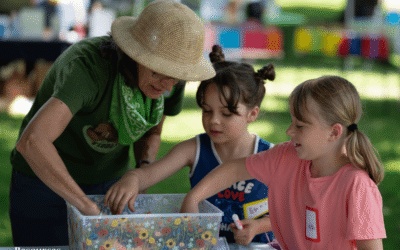
Our Unique Approach to Community Care: Why We’re Different!
When people think about stress, mental health, or trauma, they often think about what happens after someone reaches a breaking point. But what if we focused on helping people before that point? At Resources for Resilience, that's where our work begins. For nearly a...

How to Support Our Work In Ways That Work For You!
As hardship, suffering, and isolation continue to impact our everyday lives, Resources For Resilience holds fast to our conviction that everyone deserves to move from despair to hope and healing. We are committed to providing access to valuable evidence-based...