Conversations in Resilience is a storytelling series from Resources for Resilience, created to elevate the voices of the people doing this work every day.
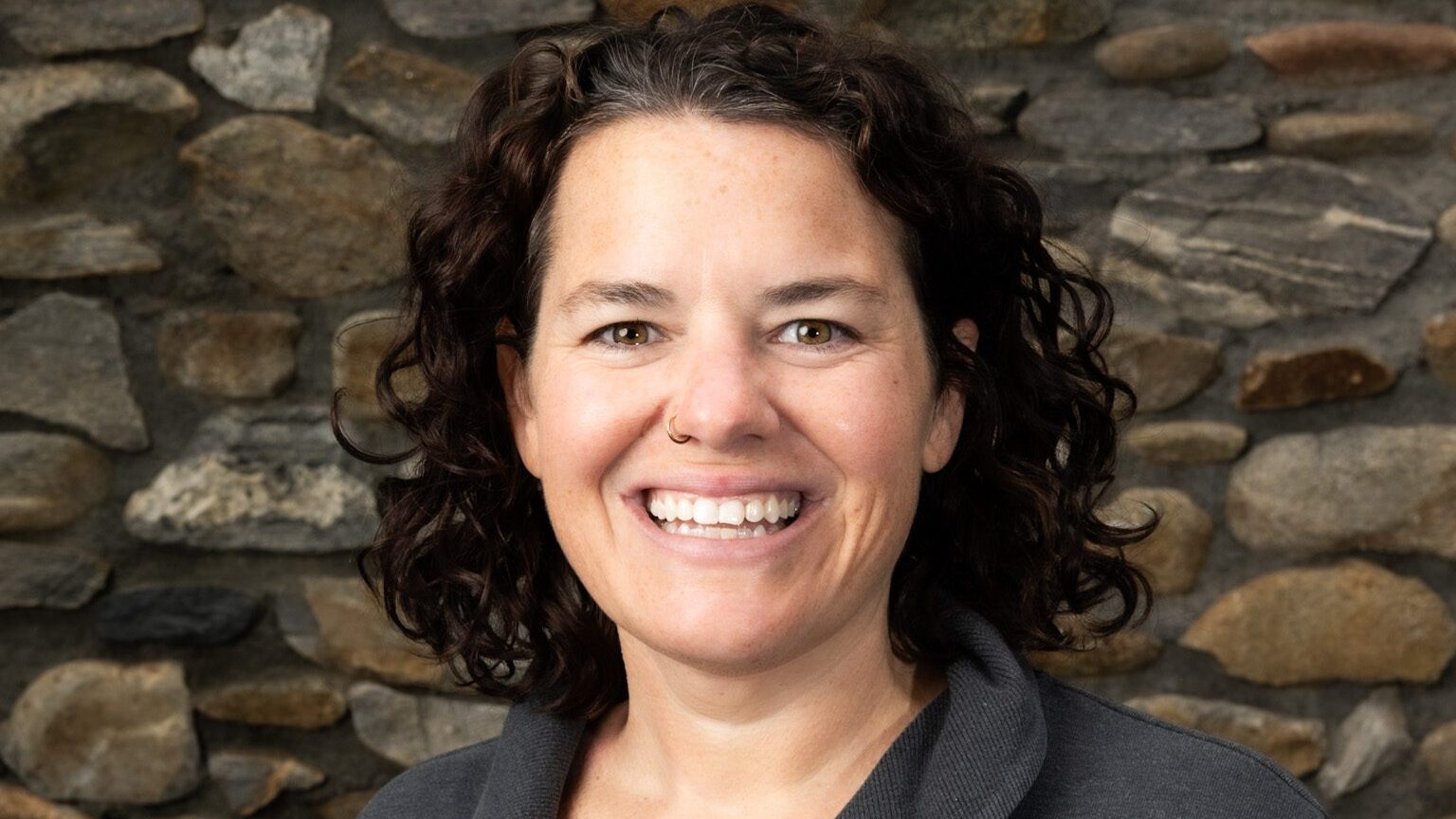
I’m a Program Coordinator at Resources for Resilience. My role is largely behind the scenes, supporting training logistics, coordination, and the systems that help our work reach communities across North Carolina. I’m also a trainer, which allows me to stay connected to the heart of the work. I love being able to support both the people delivering this work and the communities receiving it. It feels meaningful, practical, and deeply human.
Though I live in Asheville now, I’m originally from Atlanta and have lived many places across the U.S. and the world. Moving has always been a part of my story. But when I arrived in Asheville a handful of years ago, something shifted. It truly felt like home.
There is something about this community that brings a deep sense of belonging, of being seen and heard. That feeling is closely connected to the work I do now.
How I Came to This Work
Before joining Resources for Resilience, I worked in education as an administrator. Around the time of the pandemic, I was introduced to Resources for Resilience through a virtual training and the work immediately resonated with me.
Like many people, I have experienced burnout in my own life. The training helped me better understand my nervous system and why stress was showing up the way it was. What stood out was how accessible and grounding the tools felt. They weren’t overwhelming or prescriptive. Instead, they made it possible to stay engaged in challenging work while also taking care of yourself.
That idea stayed with me. I continued following the organization, and when an opportunity opened up to become more involved, it felt like a natural next step.
What Resources for Resilience Does
Resources for Resilience provides training that helps people understand their nervous systems and how nervous system responses show up in everyday life, especially in high-stress environments. This work supports people who are doing difficult, meaningful work in their communities and need practical tools to manage stress, stay connected, and continue showing up.
One of the most powerful aspects of this work is how immediately applicable it is. Sometimes it’s a full training. Other times, it’s a brief conversation that helps someone feel more grounded in the moment. You don’t need hours or days to begin experiencing the impact.
Community Before and After Hurricane Helene
After Hurricane Helene, the importance of connection in our region became even more visible. Many lost electricity, internet, and phone service for days. People walked their neighborhoods, checked on one another, and knocked on doors. Neighbors who barely knew each other became sources of support.
What stood out wasn’t just the immediate response, but the way people continued to show up. I’ve heard countless stories of individuals stepping into roles they never expected, discovering new purpose, and committing more deeply to their communities. In moments like that, it becomes clear that connection is our first line of defense for anything.
Why Connection Matters
Having lived in many places, I’ve always valued relationships, but this work helped me understand just how foundational connection really is. As humans, there is an innate need for belonging and connection that exists in all of us, and that need doesn’t disappear when life gets busy or difficult.
In many ways, modern life has moved us toward isolation. We live in our own spaces, often disconnected from those around us. This work reminds us that even small moments of connection matter. Making eye contact, sharing a smile, recognizing a familiar face. These moments help regulate our nervous systems and create a sense of safety.
As humans, there is an innate need for belonging and connection that exists in all of us, and that need doesn’t disappear when life gets busy or difficult.
Rethinking Resilience
Before this work, I thought resilience meant bouncing back after something hard. Now, I see resilience as the ability to adapt while staying connected. It’s about having tools that help you manage stress, understand your responses, and navigate challenges without disconnecting from yourself or others.
When you understand your nervous system, you have more choice in how you show up. You also gain the ability to influence how others show up around you. It is so powerful to understand your nervous system and your nervous system responses using simple tools.
A Hope for the Work
If I could wish for anything, it would be that every single human could receive Resources for Resilience training. There is often confusion or misunderstanding about what the nervous system is and how it works, and this training helps unlock that understanding in a way that feels empowering and practical.
I wish every human being could receive Resources for Resilience training. This work deserves to be widespread.
Katherine Gutschenritter
Editorial Stewardship: Sarah Staley is a senior communications leader who partners with mission-driven organizations to turn complexity into clarity and amplify the voices at the heart of the work.