Stronger Together: Free Trainings Help WNC Manage Stress & Build Resilience 

Stronger Together: Free Trainings Help WNC Manage Stress & Build Resilience 

Resources For Resilience invites community members to plan ahead with practical, easy-to-use skills that support wellbeing throughout the year.

January is often framed as a fresh start and “new beginning” but for most people, stress and overwhelm don’t magically disappear with a new calendar year. With the holidays there is often brings a complicated mix of reflection, experiences of loss, evolving family dynamics, and heightened expectations for the year ahead.

For many across Western North Carolina, this season also carries the ongoing emotional and physical impacts of Hurricane Helene — effects that remain present long after the storm itself. 

As individuals, families and workplaces across Western North Carolina look for ways to reset and prioritize mental health in the new year, Resources For Resilience is emerging as a practical and accessible resource for healing from trauma, building emotional resilience, and managing stress.

RFR offers simple, evidence-based tools to help people of all ages regulate their emotions, respond effectively to stress, and build healthier habits over time – without the need for traditional therapy, specialized training or complicated programs. This practices can be used by anyone, anywhere in the moments they need them most. With practice and repetition, this is how we  strengthening resilience and hope over time.

Reminder: Healing doesn’t have to be complex, overwhelming or expensive – and it isn’t about perfection. Small, positive experiences practiced consistently can move people from survival mode into their Resilient Zone.

As we enter a new year, Resources for Resilience is inviting community members across Western North Carolina to plan ahead by learning practical ways to manage stress, reset during difficult moments, and stay connected — skills that can be used again and again throughout everyday life. 

“The end of the year can surface both hope and heaviness,” said Ann DuPre Rogers, Executive Director of Resources for Resilience. “Many people are carrying more than usual, including everyday pressures to the lasting effects of Hurricane Helene. This work is about acknowledging that reality and offering practical ways to steady ourselves and move forward, together.”


Planning Now for a More Supported Year 

Reconnect for Resilience focuses on simple, research-based practices that help people calm their minds and bodies during stress, recognize when they’re becoming overwhelmed, and respond in healthier ways. These are concrete skills participants can use at work, at home, alone, or with others. 

“People often see the start of a new year as the right time to focus on physical health,” Rogers said. “But our bodies are strongest when we care for them consistently, not just once a year. Mental wellbeing works the same way. It’s not something to wait on until you’re overwhelmed. It’s something you invest in regularly, so you have skills you can draw on any day, anywhere.” 

Resources for Resilience offers trainings and events open to anyone looking for healthier ways to manage stress, with particular relevance for educators, healthcare workers, caregivers, and first responders. 

Their work is grounded in the belief that resilience grows through connection and shared learning. In Western North Carolina, that belief has taken on deeper meaning as communities continue to recover from Hurricane Helene while supporting one another through long-term challenges. 

“Recovery doesn’t happen all at once,” Rogers said. “It happens in small, steady moments through care, connection, and having the right support when stress shows up.” 

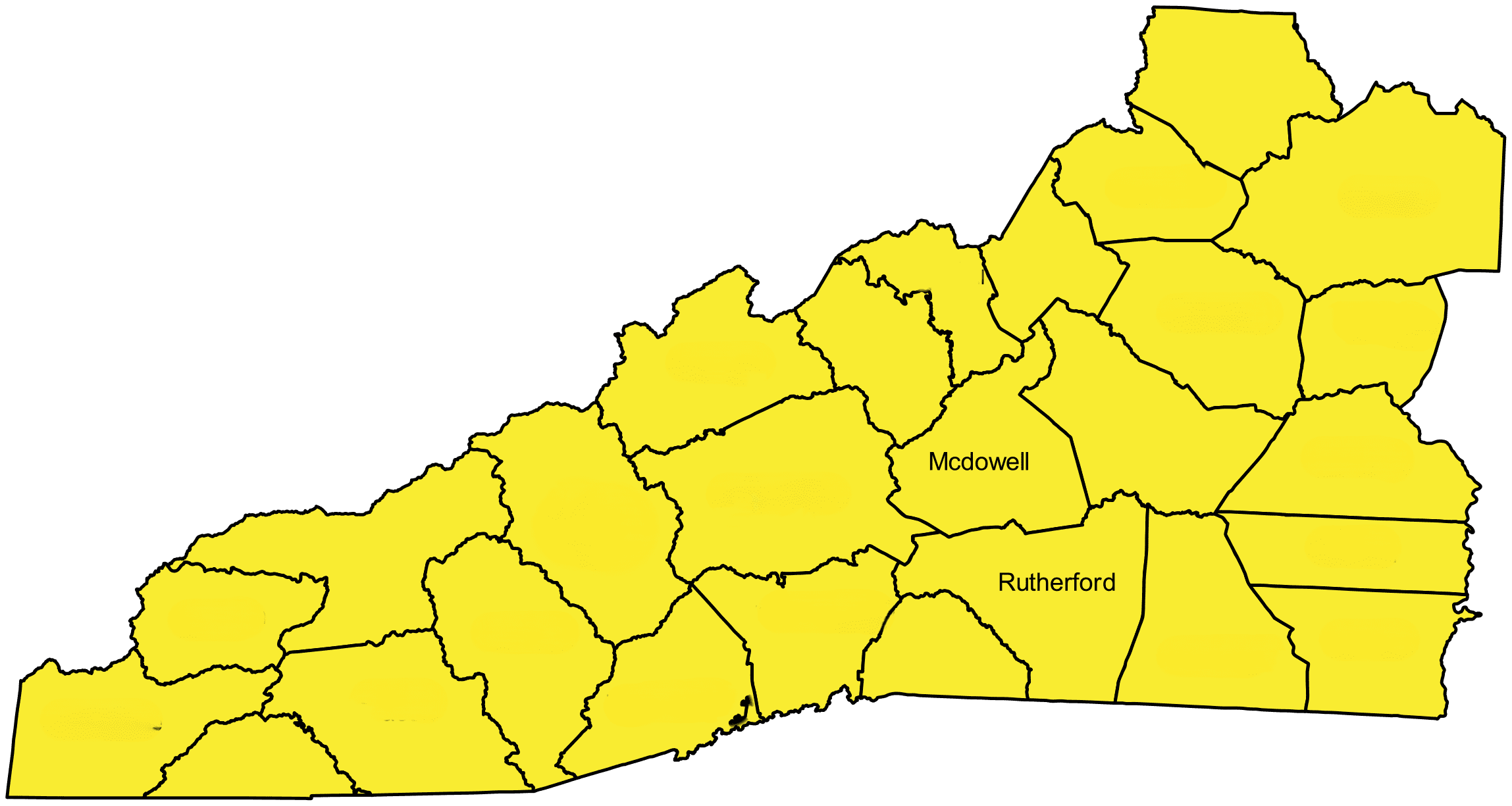
In 2025, Resources For Resilience connected with more than 5,800 people across the 25 Helene-impacted counties with this programming, and they’re hoping to double that number by June.

Upcoming Opportunities to Learn & Connect 

Supported by nearly $3 million from state agencies and nonprofit partners, Resources For Resilience is expanding its trauma‑informed resiliency programs ensuring access for anyone helping Western North Carolina stay safe, healthy, and connected. 

Thanks to their generous funders and partners, RFR is offering hundreds of no-cost trainings, workshops, and community events focused on stress regulation and resilience-building for all ages.

This support is particularly beneficial for first responders, health providers, essential workers, and other WNC residents impacted by the trauma of Helene. The funding for these FREE events will end in June and space is limited, so community members are encouraged to register soon to secure their spot. 

FEBRUARY 2026
Feb 6 | Recharging Resilience (Waynesville)*
Feb 11 & 12 | Reconnect for Resilience (Hendersonville)
Feb 19 | Leading Through Hard Times (Marion)
Feb 27 | Recharging Resilience (North Wilkesboro)
MARCH 2026
Mar 11 | Recharging Resilience (Marshall)
Mar 26 & 27 | Reconnect for Resilience (Virtual)
APRIL 2026
Apr 16 | Leading Through Hard Times (Morganton)*
Apr 21 & 22 | Reconnect for Resilience (Virtual)
April 24 | Leading Through Hard Times (Burnsville)*
MAY 2026
May 6 | Recharging Resilience (Newton)
May 21 | Reconnect for Resilience (Virtual)
JUNE 2026
June 4 | Leading Through Hard Times (Blowing Rock)
June 10 | Recharging Resilience (Spindale)
June 11 | Leading Through Hard Times (Canton)*
June 16 & 17 | Reconnect for Resilience (Virtual)

*Continuing Education Units (CEUs) are available for select events through Area L AHEC. 

Resources For Resilience will also continue their series of FREE recurring virtual events for WNC residents impacted by Helene:

Looking for a program near you? Check out our county-by-county event listings:


To view the full calendar of events and to register, visit resourcesforresilience.org/events.


About Us 

Resources For Resilience is a Western North Carolina–based nonprofit organization dedicated to helping individuals, organizations, and communities navigate stress and build resilience. Through accessible trainings, workshops, and community partnerships, Resources for Resilience shares practical, research-informed skills that support wellbeing, connection, and long-term community health. Our work is rooted in the belief that resilience grows through shared learning, care, and connection, especially during times of ongoing challenge. 

Resources For Resilience’s no-cost trauma‑informed trainings are supported by nearly $3 million in partner funding. Our educational and community-building programming has already reached more than 5,000 WNC residents across the 25 counties affected by Hurricane Helene, and we hope to double that number by June. Thank you for supporting this work!


2025: A Year in Review, And Looking Ahead!

2025: A Year in Review, And Looking Ahead!

As we approach the end of 2025, we are filled with gratitude for our community partners and participants. Our local community faced unprecedented challenges this past year in the wake of Hurricane Helene.

So many of us were left feeling disconnected and uncertain after the storm but, thanks to you, our team was able to mobilize quickly to provide opportunities for vital connection and learning.

This year alone, nearly 6,000 attendees, from all walks of life, participated in our educational workshops and events, offering people of all ages to learn and explore new ways to care for themselves and others when it matters most.

With support from NC DHHS and Vaya Health, we were able to expand our reach to support community members from all walks of life in their healing and recovery journey. About half of our events were available in person across the hardest-hit  mountain towns and rural counties, while the rest were offered in an accessible virtual setting.

Let’s take a look back at our impact this past year..


LOOKING BACK

We responded immediately—and haven’t stopped.

Within days of Hurricane Helene’s landfall in WNC, the Resources for Resilience team had boots on the ground for in-person crisis response, supplying dozens of hours of support at emergency centers, community hubs, and distribution sites. Since then, we’ve continued to meet people where they are—both online and in person—with resilience-focused support for healing and recovery.


We’ve delivered hundreds of free offerings across WNC.

In 2025, we completed hundreds of specialized workshops across the 25 Helene-impacted counties. 

Looking back at the numbers*…

      • Acute Crisis Response: 23 hours in the immediate aftermath of the storm
      • Resiliency Champions: 2 events, 28 participants
      • Educator Essentials: 4 events, 116 participants
      • Leading Through Hard Times: 7 events, 124 participants
      • Learning Community: 5 events, 28 participants
      • Listening Circles: 178 events, 1044 participants
      • Listening Circle Facilitator Training: 2 events, 41 participants
      • Listening Circle Facilitator Refresher: 2 events, 31 participants
      • Recharging Resilience: 1 event, 16 participants
      • Reconnect for Better Days: 14 events, 128 participants
      • Reconnect for Resilience (English): 11 events, 216 participants 
      • Reconnect for Resilience (Spanish): 1 event, 16 participants
      • Reconnect Refresher: 1 event, 5 participants
      • Reconnecting Through Hard Times: 101 events, 1360 participants
      • Resilient Connections: 1 event, 0 participants
      • Resilient Family Adventure: 4 events, 1119 participants
      • Resource Fairs: 11 events, 1052 participants
      • Specialty Presentations: 10 events, 566 participants
TOTAL IMPACT: 355 events
TOTAL PROGRAM TIME: 673 hours
TOTAL SERVED/SUPPORTED: 5875 participants
*Data from late September 2024 to mid-November 2025

We launched several new community-informed programs.

We created several new offerings in direct response to post-Helene needs:

  • “Reconnecting Through Hard Times”: A 1-hour, no-cost training that equips helpers with practical tools for supporting others after a crisis
  • “Resilient Family Adventure”: A nature-based, child-friendly experience designed to help families build emotional regulation and connection through play
  • “Recharging Resilience”: A one-day program to boost self-care and comfort for the most giving helpers in our communities


We provided deep impact through frontline community care.

We’ve prioritized supporting those most at risk for burnout: first responders, educators, healthcare workers, behavioral health providers, and volunteers. Our workshops, trainings, and other community offerings are FREE, ongoing, and tailored to both emotional care and practical tools.


We expanded our team, and thus our capacity and reach.

Thanks to our generous funders, Resources for Resilience has been able to expand our team, further strengthening our capacity to deliver trainings, support community recovery, and develop tailored resilience tools. This growth allows us to reach more neighborhoods, respond more quickly to local needs, and deepen our partnerships while maintaining the grassroots values that guide our work.

  • 4 new community outreach specialists
  • 1 new project management coordinator
  • 2 new marketing and communications team members
  • 45 event support volunteers

We became a nationally recognized nonprofit organization.

Our staff have been featured in expert interviews, roundtables, and national media for their compassionate, science-based approach to disaster response. Our Helene response was highlighted in the following local and national publications and outlets:

These media opportunities highlight both our impact and our leadership in trauma-informed community recovery.

We’re not just helping people survive—we’re helping them heal.

Our simple but transformative tools help individuals and teams move from states of shock and survival to ones of grounding and connection.  Disaster recovery is a marathon, not a sprint. Healing communities, rebuilding infrastructure, and restoring hope and trust take sustained effort over years and generations, not just weeks and months.

Here are some of our favorite testimonials from 2025:

Reconnect for Resilience:

  • “The trainers created a space where it felt comfortable to share, to feel, to check in with myself and how I’m feeling w/o the pressure i put on myself to put that stuff away.” (Reconnect)
  • “All of this helped me better understand how to support and strengthen myself, my family, and provide tools for my clients. The Restore tool felt particularly evocative as a means to deeply see and support people. Thank you for that and all of this.”
  • “I feel these classes need to be taken by more people out in the community!”

Champions

  • “This was so helpful and I will definitely be utilizing these tools in both my personal and professional life.”

Leadership

  • “This is the BEST workshop I’ve attended! Absolutely loved everything about it. “
  • “I left feeling seen, heard, and taken care of. I felt happy and energized from engaging and practicing the tools rather than many workshops and trainings have you feeling dumped on, drained, and depleted. “
  • “Thank you for providing words and tools to help with leadership.”

LOOKING AHEAD

Now over a year later, we honor both the grief and the gratitude that have emerged since Helene, and we remain committed to continuing to walk alongside WNC communities through 2026 and beyond. 

Beginning in January, we are able to offer AHEC-approved Continuing Education Units (CEUs) for select programming. Please stay tuned for more info on this exciting development!

As we look toward the new year, we do so with hope and determination. There is still much to be done and we are eager to continue this important work with YOU by our side.

True recovery requires patience, endurance, and long-term commitment. Progress may feel slow, but steady steps forward ensure our lasting renewal and resilience.


HELP US FINISH STRONG IN 2025!

Whether you are a first-time donor or a long-time supporter, please consider making a tax-deductible donation to us this holiday season. Your generous gift will ensure that we can continue our mission for years to come, helping people thrive through adversity and trauma. 

With your support, Resources for Resilience can continue:

  • making accessible, affordable resiliency education possible in the months and years to come
  • reaching community members still impacted by the trauma of Hurricane Helene
  • offering practical tools to help regulate stressed and overwhelmed nervous systems
  • hosting community-care events that foster connection and learning 
  • onboarding new staff, volunteers and consultants who bring their expertise and experience to our team
  • sustaining spaces and programming where hope and healing can flourish
  • improving health outcomes in communities near and far.

Every contribution—large or small—fuels our mission to build safer, healthier, more resilient communities in Western North Carolina, and beyond. Not able to give financially at this time? Check out these other impactful ways to give back.

THANK YOU for standing with us and helping carry this work forward. We couldn’t do this without you!


Event Recap: First Annual Professional Development Institute for Resiliency Educators

Event Recap: First Annual Professional Development Institute for Resiliency Educators

Earlier this month we hosted a professional development conference for our certified Resiliency Partners, made possible with funding from the North Carolina Department of Health & Human Services. 

For two nights and three days, we gathered at the beautiful Montreat Conference Center near Black Mountain, NC for a one-of-a-kind event designed to support our network of educators and facilitators serving Helene-impacted communities across Western North Carolina. 


Why It Matters 

The PDI was created in response to requests from our Resiliency Partners for both core training and specialized workshops around how to best serve participants living or working in the 25 Helene-impacted counties of Western North Carolina. 

The goal of this event was to support our trainers with practical tools and strategies for meeting this unique population where they are, especially the helpers and heroes who have dedicated so much to Helene response and recovery.   

This was a rare opportunity for our team and certified Resiliency Partners to connect and practice our values and tools together in real-life, in real-time: 

  • LEARN: Gaining new knowledge and insights. 
  • PRACTICE: Applying concepts with hands-on experiences. 
  • THRIVE: Recharging in a supportive setting. 


Event Highlights 

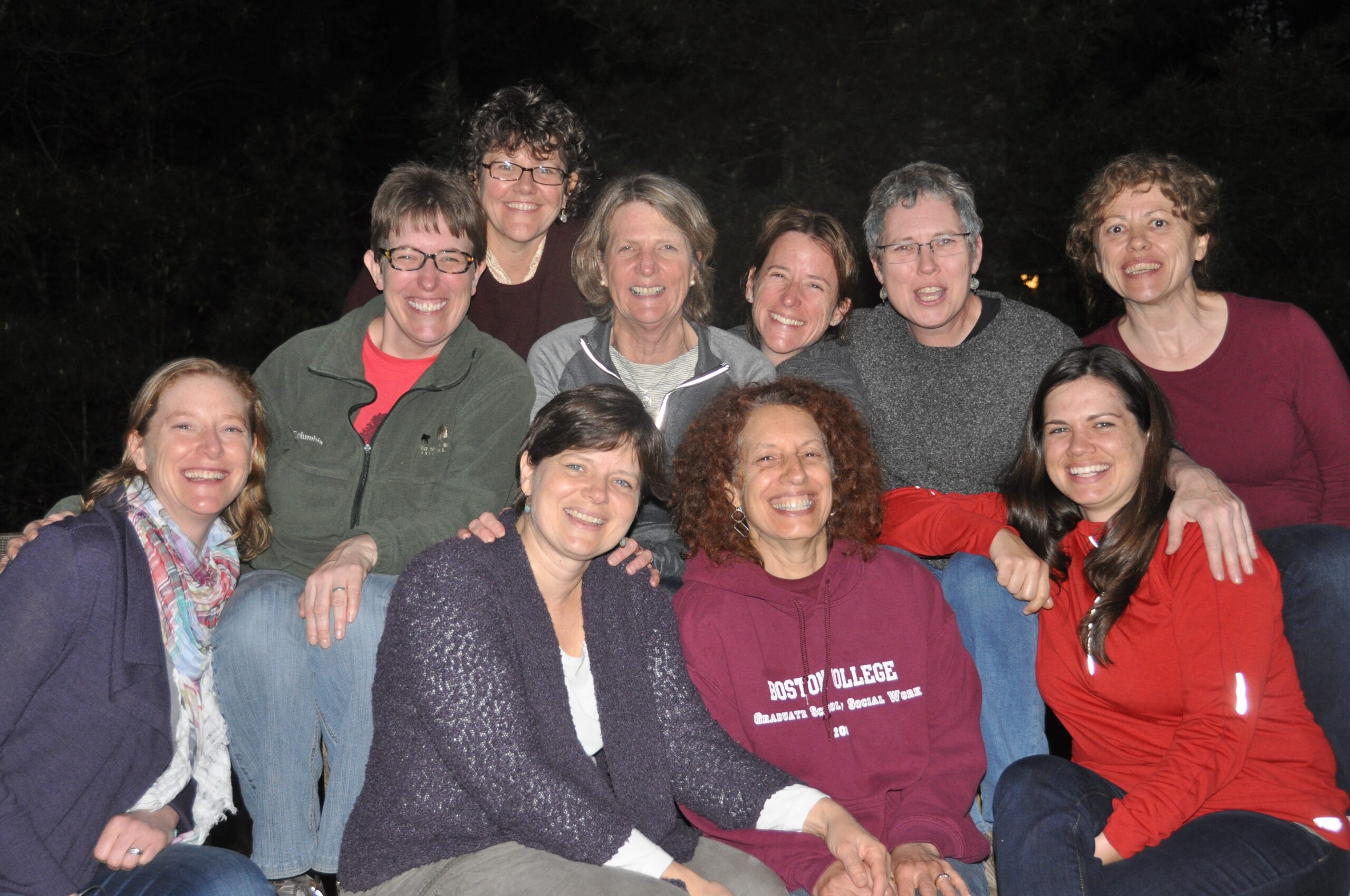
  • Connection & Community: Attendees enjoyed shared meals, evening campfires, and creative activities like pottery hand-building, fostering bonds between our certified trainers who live and work across multiple counties and organizations. 
  • Learning & Practice: Expert-led workshops provided both foundational training and specialized sessions tailored to the evolving needs of first-responder and other frontline professionals in WNC. 
  • Resiliency Stewardship: Participants practiced tools for calmness, connection, and storytelling, building confidence to carry RFR’s mission into various workplaces and communities. 
  • Rest & Renewal: The tranquil mountain setting offered space for reflection, selfcare, and joy — essential ingredients for sustaining resilience. 
  • Special Guests:  

What Our Attendees Said 

In the testimonials we collected, words like supportive, inspirational, energizing, and restorative captured the spirit of the gathering. 

  • “My heart is still happy.” -Kia G. 
  •  “You all are complete rock stars! Thank you for all that you are doing for the people of NC” -Candice S. 
  • “Thank you for making the experience full with connection, joy and life-giving breaths and laughs” – Yvette R.
  • “This event was so well done- the balance of learning connection and reflection. Thank you!” -Resiliency Partner
  •  ”SOUL SOOTHING, life giving, fun fun fun, growth learning together, THANK YOU!” -Resilency Partner
  • “I love you all madly.” – Resiliency Partner
  • “Huge gratitude to this team and the work of everyone, both at this event and in our communities/lives.” – Resiliency Partner
  • “My heart is overflowing with gratitude for this time and space with humans who share a commitment to this work.” – Resiliency Partner
  • “This was awesome – inspiring, lots of laughter, tears, hugs, settling of my nervous system. I feel better prepared to support the community.” – Resiliency Partner


In Gratitude 

THANK YOU to everyone who joined us for this inaugural, first-of-it’s kind event. Thank you for taking time to travel, to put your daily responsibilities on hold for a few days and connect with us on this journey.

We are all overflowing with gratitude from our shared experiences and the memories we made in community. This event has been a dream of the RFR leadership team for a long time and it felt surreal to finally make it all happen!

We are deeply grateful to all who attended, contributed, and helped make this event possible.

Our team is fortunate to participate in this meaningful work, and especially thankful to work closely with so many like-hearted and talented professionals. Together, we are building safer, healthier, and more resilient communities across Western North Carolina, and beyond.

With every new participant we reach, we are strengthening the capacity of our region to heal, grow, and thrive for generations to come. 

This is only the tip of the iceberg… Stay tuned for what’s to come! 


CEUs: Where Education & Excellence Meet for WNC Public Health Professionals

CEUs: Where Education & Excellence Meet for WNC Public Health Professionals

As many public health providers know, structured professional development is essential to ensure professionals stay licensed, up‑to‑date, and equipped with the latest evidence‑based practices. 

Continuing Education Units (CEUs) are credits professionals earn through approved trainings, workshops, or courses – both online and in person. These are required by most licensing boards to keep providers current with research, treatment approaches, and ethical standards.

While CEUs are often a professional requirement, they also: 

  • ENHANCE clinical expertise with new tools and strategies. 
  • IMPROVE client outcomes by integrating evidence-based practices. 
  • BUILD professional networks through workshops and conferences. 
  • BOOST career opportunities by demonstrating ongoing commitment to learning. 

From January to June 2026, Resources for Resilience is excited to announce that AHEC-approved Continuing Education Units (CEUs) are available for participation in many of our trainings and workshops!

This offering allows public health and mental health professionals to not only strengthen their own resilience skills, but also receive formal recognition for their ongoing professional development. 

By attending select RFR programming, participants can earn CEUs while gaining practical tools to regulate stress, foster connection, and build healthier, more resilient communities. 


“Develop a passion for learning. If you do, you will never cease to grow.” 

Anthony J. D’Angelo 


CEUs For Behavioral Health Professionals 

Behavioral health professionals and providers use CEUs to stay up to date and knowledgeable on trauma-informed care, ethics, cultural competency, crisis intervention and emerging therapies. This includes:

  • Social workers 
  • Counselors 
  • Psychologists 
  • Therapists 
  • Addiction and substance abuse specialists 
  • Peer support specialists 
  • Case managers 
  • Community health workers 


“Commit yourself to lifelong learning. The most valuable asset you’ll ever have is your mind and what you put into it.” 

Brian Tracy 

CEUs at Resources For Resilience 

Need AHEC-approved CEU’s? Now you can get up to 33 hours of credit from our signature trauma-informed programming.  We’re excited to announce that many RFR trainings offer Continuing Education Units (CEUs) and/or “Contact Hours” through our partnership with Area L AHEC — making it easier than ever for our attendees to grow both personally and professionally.  

That means you can boost your credentials while building resilience in yourself and others! 

New for 2026: 

Which of our community programs qualify for AHEC-approved CEUs? 

When are the AHEC-approved, CEU-eligible programs hosted by Resources For Resilience?
JANUARY 2026
  • January 1, 8, 15, 22, 29 | Reconnecting Through Hard Times (Virtual)
  • Jan 7 & 8 | Reconnect for Resilience (Virtual)
FEBRUARY 2026
  • February 5, 12, 19, 26 | Reconnecting Through Hard Times (Virtual)
  • Feb 6 | Recharging Resilience (Waynesville, NC)
MARCH 2026
  • March 5, 12, 19, 26 | Reconnecting Through Hard Times (Virtual)
  • March 26 & 27 | Reconnect for Resilience (Virtual)
APRIL 2026
  • April 2,  9, 16, 23, 30 | Reconnecting Through Hard Times (Virtual)
  • April 24 | Leading Through Hard Times (Burnsville, NC)
  • April 24 | Resiliency Champions (Morganton, NC)
MAY 2026
  • May 7, 14, 21, 28 | Reconnecting Through Hard Times (Virtual)
JUNE 2026
  • June 4, June 11, June 18, June 25: Reconnecting Through Hard Times (Virtual)
  • June 4 | Leading Through Hard Times (Blowing Rock, NC)
  • June 11 | Leading Through Hard Times (Canton, NC)

Please stay tuned for additional dates and opportunities. We will update this page, as well as our CEU Event Calendar!

Reminder: Some licenses require pre-approved continuing education credits from an accrediting organization (APA, NASW, NBCC, AHEC, etc) . It is the responsibility of each attendee to confirm CEU eligibility with your licensing board — but our team is here to support you every step of the way! Please contact info@resourcesforresilience.org with any questions.  


Wrapping It Up 

Whether you’re a healthcare provider, educator, counselor, or other community leader in Western North Carolina, Resources For Resilience trainings help you meet your professional development requirements, deepen your trauma-informed practice, and strengthen your impact in your community  

CEUs are more than a bureaucratic checkbox—they are a lifeline for professional excellence, ensuring that care remains ethical, effective, and responsive to the evolving needs of communities. 

Check out our CEU Eligible Event Calendar to see which programs qualify for continuing education credit. We look forward to seeing you soon! 


The Science of Stress: What’s Happening in Your Body—and How to Reset

The Science of Stress: What’s Happening in Your Body—and How to Reset

Resources For Resilience specializes in nervous system stabilization and trauma recovery. Our tools are grounded in applied neuroscience, emotional regulation, and resiliency. They help calm overwhelmed nervous systems and reduce long-term impacts of trauma. We teach strategies that are easy to use, easy to share, and work in real-time—on the job, at home, or during disaster recovery.

Stress hormones are your body’s emergency response team. They’re designed to protect you in moments of danger, helping you react quickly and survive. But when they stay active too long, they can wear you down—physically, emotionally, and mentally.

Understanding how stress works in the body isn’t just interesting—it’s empowering. It helps you recognize what’s happening inside you and gives you the tools to shift from survival mode to a state of calm, connection, and healing.


Remember, our trauma responses are not meant to be judged. Whether you mobilize into action, or fall into paralysis, all responses serve a vital purpose: self-protection, energy-preservation, and survival.


What Stress Looks Like

Most people recognize symptoms like sweaty palms or “butterflies” in the stomach as signs of stress, but it can also show up in less obvious ways:

• Frequent headaches or jaw clenching
• Difficulty concentrating or racing thoughts
• Increased anger, frustration, or irritability
• Constant fatigue or low energy
• Changes in appetite or sleep patterns

Stress doesn’t always look the way you expect so recognizing the signs is the first step toward managing it.

Fight or Flight: The Body’s Alarm System

When your brain perceives a threat—whether it’s real or “imagined”—it activates the Sympathetic Nervous System, releasing stress hormones like:

  • Adrenaline/Epinephrine
  • Norepinephrine
  • Cortisol

Together, these chemicals increase heart rate and blood pressure and heighten the alertness needed to respond to danger. At the same time, they also put all of the restorative physical systems like digestion and immunity on hold in order to sustain energy and operate the most essential organs.

In short bursts, these stress chemicals are vital to our survival as a species. But longterm, chronic activation over time can lead to an increased risk of physical problems and dis-ease in the body:

  • Sleep disturbances
  • Digestive issues
  • Weakened immunity
  • Anxiety and depression
  • Heart disease
  • Metabolic dysfunction

“Oxytocin is a hormone that’s released when we feel safe and connected. It’s the antidote to the fight-or-flight response.”

Dr. Stephen Porges

Rest & Reconnect: The Body’s Built-In Recovery System

After a stressful event, your body is designed to return to balance through the Parasympathetic Nervous System—where it can finally rest, repair and restore itself. In this state, your heart rate slows, cortisol is lowered, digestion resumes, and your body begins to heal and recover both physically and emotionally.

This is where the body’s “Resilience” neurochemicals come in:

  • Oxytocin
  • Serotonin
  • Endorphines

These have the power to reduce pain, regulate mood and support a sense of calm, safety, hope and overall well-being. They also boost neuroplasticity (your brain’s ability to adapt and grow) and activates the parts of the brain responsible for empathy, decision-making, problem-solving and creativity.

In other words, when these chemicals are flowing in the body, you shift out of survival mode and into a state of calm, clarity and connection. You can finally think clearly and respond intentionally.

Together, these chemicals don’t just override your stress response—they build your capacity for resilience long term so you can move forward stronger and healthier.

Stress isn’t just a moment, it’s a loop. The brain perceives a threat that switches on the sympathetic nervous system and releases stress hormones. If this loop keeps firing, the system begins to feed itself. The brain stays on high alert, the body stays tense, and the cycle continues. Over time, it becomes the body’s new baseline, shaping how a person thinks, feels, and moves through the world.

How to Interrupt the Stress Cycle

Stress hormones are powerful—but so are YOU. With practice and mindfulness, we can learn how to work with your body, not against it.

Each of us has the power and ability to reset our nervous systems with small, intentional actions.

  • Tend & Befriend/Calm & Connect: Engage with others through eye contact, soothing touch, or shared emotion.
  • Choose Different Thoughts: Access positive memories, sensations in the body, and feelings of gratitude to bring you back into balance.
  • Engage in Rhythmic Activity: Walking, tapping, singing or lifting can shift your neurochemical state.
  • Support, not Shame: Telling yourself or someone else to ‘calm down’ in a moment of overwhelm is like telling a body to stop bleeding after a wound. It simply can’t, as it’s responding the way nature intended.


“The body doesn’t keep the score. The brain keeps the score, and the body is the scorecard.”

Lisa Feldman Barrett

The Value of Resiliency Education

You can’t eliminate stress—but you can learn to manage it. That’s where Resources for Resilience™ comes in.

Our workshops and trainings teach simple, science-backed tools that help you:

  • Recognize when your stress response is activated
  • Use body-based techniques to calm your nervous system
  • Build emotional stamina and recover more quickly
  • Stay with yourself, and feel what’s true
  • Strengthen your capacity to thrive—even in high-pressure environments

Subscribe to our email list, and explore our event calendar today to learn how to help you reset, recharge, and reclaim your well-being.

Because resilience isn’t just about pushing through—it’s about knowing, and choosing, come back to center, again and again. Knowledge is power! 

Reminder: A regulated nervous system is simply a RESILIENT nervous system. It’s about knowing how to respond, move, adjust and adapt through many circumstances and situations.